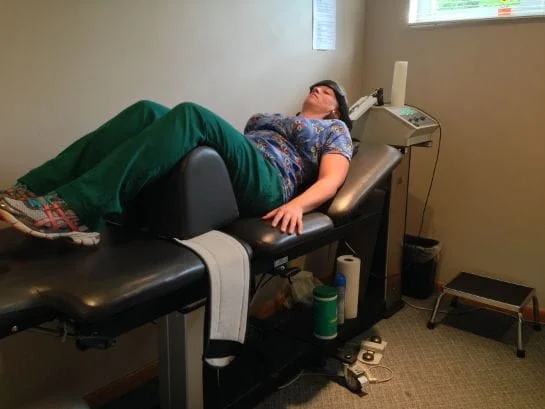
Decompression and Axial Traction
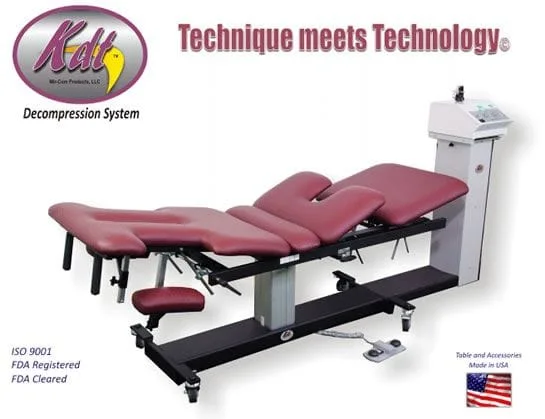
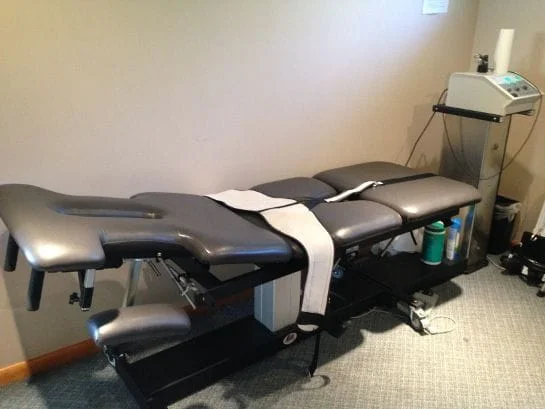
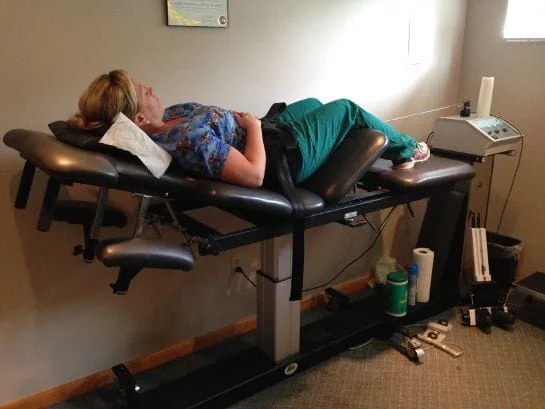
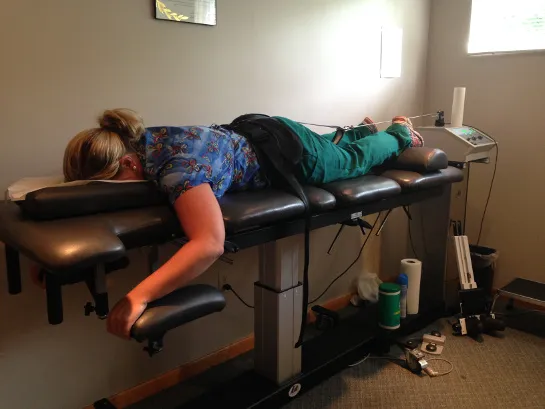
Decompression and axial traction are valuable additions to chiropractic and rehabilitation protocols, especially for managing disc injuries. While many people are familiar with traditional traction or inversion tables, modern computerized tables—such as the KDT table—offer precise control over patterns, timing, and intensity. This allows for maximum therapeutic benefits in a shorter time.
Dr. Nutter is a certified practitioner in the Kennedy Decompression Technique. To ensure patient safety and the most effective care, x-rays are taken before initiating decompression treatments.
Benefits of Mechanical Traction and Decompression
- Versatility: The same table used for decompression can also perform mechanical traction, with customized pull protocols tailored to each patient's needs.
- Acute Pain Relief: This is particularly helpful in acute cases or for patients experiencing severe pain from compression-related syndromes. (Compression begins as soon as you get out of bed.)
- Collaborative Care: Dr. Nutter works closely with orthopedic surgeons, neurosurgeons, and pain specialists to enhance healing through decompression therapy and help patients avoid surgical interventions.
Decompression vs. Axial Traction
An important distinction exists between traction and decompression. The following explanation is derived from the Kennedy Decompression Manual:
- Traction:
- Literal process: Axial elongation that results in intervertebral distraction.
- Traction is the direct physical action applied to the spine.
- Decompression:
- Metaphorical process: Refers to a reduction in intradiscal pressure (IDP) that may occur as a result of traction.
- While decompression cannot be directly measured during each session, positive outcomes such as pain relief suggest its occurrence. "Decompression exists along a gradient. For example, lying down decompresses the spine compared to sitting."
Important Considerations
- While some manufacturers claim their devices deliver negative intradiscal pressure, no current device can measure pressure in real-time during therapy.
- Scientific Research: Organizations such as the FDA, Medicare, and Blue Cross acknowledge the difference between traction (definitive physical process) and decompression (assumed based on outcomes).
- Positive Outcomes: Even if full decompression is not achieved, therapy often induces healing and symptom relief, making it a valuable tool in chiropractic care.
For more information about decompression therapy or to schedule an appointment, contact We Care Chiropractic Center at (412) 795-2900.